HIAA Biennial Symposium
Technologies of Making and Knowing
Hosted jointly at Getty, LACMA, and UCLA
Los Angeles, California, March 4 - 6, 2027
Call for Papers
Beyond its modern conceptualization, technology has always informed artistic production in the Islamic world. To name but a few examples, paper production, reduction firing to produce lusterware, and sustainable architectural forms like windtowers were all rooted in technological innovation. Today’s digital tools and methods, such as imaging systems, 3D modeling, and computational analysis, extend this history rather than inaugurate it. They are also re-shaping the way that the field is studied and presented.
With this broad perspective, the Historians of Islamic Art Association (HIAA) calls for a field-wide reflection on the technologies, both longstanding and new, which have governed the production, circulation, reception, and study of Islamic art. This call for papers frames technology as techniques of both making and knowing, thereby expanding the conversation beyond novelty, while also recognizing the constructive and destructive impact of technology on the societies of the Islamic world. This call also highlights how tools—whether a medieval kiln or a hyperspectral camera—and the socio-political orders and knowledge systems that gave rise to them undergird Islamic art as a category, field, and idea. Thus, the plural form of the word “technology” is deployed capaciously, with the goal of invoking varied and contested modes of making, mediation, reproduction, and experimentation, in addition to knowledge production and other forms of epistemic work. This theme also acknowledges the ways that new digital infrastructures steer our contemporary scholarly processes and prevalent modes of research engagement and community interaction today.
Possible topics include, but are not limited to:
- Technologies and techniques of making, including artisanry, crafts, and the transmission of technical knowledge
- Embodied knowledge and the politics of technology, including issues of power, labor, and gender, ethnic, and religious difference
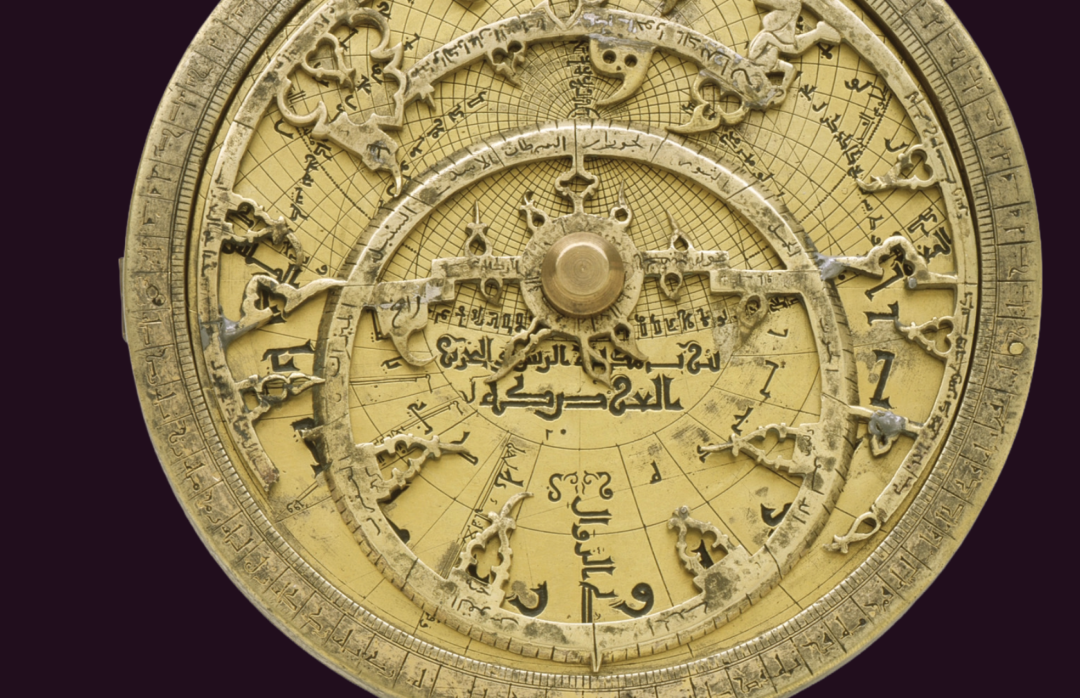
- Methods and instruments, such as scientific or artistic tools, understood in their social and political contexts
- Technical and digital art history
- Networked forms of scholarly expression and research dissemination, including digital publishing, virtual/online exhibitions, data visualization, and creative works
- Technologies of cultural heritage preservation and the struggle to mitigate the effects of war and violence
- Institutional structures, such as the museum, library, or workshop
- Community-based practices and knowledge systems as technological infrastructures for display, preservation, and interpretation
The 2027 HIAA Biennial Symposium invites proposals for the following types of presentations:
- A full panel oriented around a topic related to the theme, which should include a chair who will serve as the organizer and main point of contact. The number of speakers is open and a discussant may be added, although the total number of participants for any panel should not exceed 5 people including the chair.
- An individual paper on a topic related to the theme, with the option of presenting a 15-minute paper or a 3-minute lightning talk.
- A special session proposal for a format other than the standard panel or lecture, including, but not limited to, a workshop, a moderated conversation, a skill-building learning session, or another dynamic way to enliven the symposium, for a one-hour slot. The symposium committee is eager to hear creative ideas, with the caveat that the host venues may have certain limits in providing equipment, staff support, or specific space needs.
Proposals for in-person and remote contributions are due by May 15, 2026 and should be submitted using this form: https://forms.gle/yM5R6ns9b1N6PPHv7
The conference will be held in-person at the three host venues in Los Angeles. Presentations delivered by Zoom will be considered. Certain parts of the symposium may be streamed online.
Symposium Committee
Lamia Balafrej, UCLA
Chanchal Dadlani, Pomona College
Amy Landau, Fowler Museum at UCLA
Keelan Overton, independent
David Simonowitz, Pepperdine University
Nancy Um, Getty Research Institute
Sandra Williams, Los Angeles County Museum of Art